Most RV buyers read the window sticker and the MSRP before they read the warranty. That is understandable, but it means a lot of owners discover the limits of their RV warranty coverage at the worst possible time: standing at a service counter with a broken slide-out or a failed air conditioner the week before a planned trip. Understanding what your factory warranty actually covers, where it stops, and whether an extended service contract makes financial sense is information that should inform your buying decision, not come as a surprise after it. This guide breaks down the Keystone factory warranty structure, the real-world case for extended coverage, and why where you get service matters as much as what coverage you carry.
Factory Warranty vs. Extended Service Contract: What Each One Actually Does
These two products are often lumped together in conversation, but they are structurally different and cover different risk windows. Knowing the distinction helps you evaluate both honestly.
What the Keystone Factory Warranty Covers
Keystone provides a limited warranty on new units that separates structural coverage from component coverage. These two categories have different durations and different claims processes, and understanding the difference prevents a lot of frustration when something goes wrong.
Structural coverage applies to the frame, floor, walls, and roof structure of the unit. This is the longest-duration coverage in the Keystone warranty and reflects the company's confidence in the core construction of the unit. Structural issues that arise from manufacturing defects within the covered period are addressed directly through the warranty process.
Component coverage covers the systems and appliances installed in the unit: the water heater, furnace, air conditioner, refrigerator, slide-out mechanism, electrical systems, and plumbing. This coverage generally runs for a shorter period than the structural warranty, and some components may carry their own manufacturer warranties that operate separately from Keystone's coverage.
A few things the factory warranty does not cover are worth understanding upfront. Normal wear and tear, damage from improper storage or maintenance, and issues caused by failure to follow the owner's manual guidelines are typically excluded. Water damage resulting from a lack of routine seal maintenance is one of the most common exclusion scenarios we see at the service counter.
Keystone publishes its full warranty terms and coverage details in their 2025 Warranty Guide and on the Keystone RV owner warranty page. Reading those documents before your purchase is time well spent.
The Case for Extended Service Contracts on Modern RVs
The value proposition for extended service contracts has shifted significantly as RVs have become more technologically complex. A travel trailer or fifth wheel purchased today is not the same product as one purchased fifteen years ago. Modern units routinely include residential refrigerators, touchscreen control panels, multi-zone climate systems, power awnings with wind sensors, and slide-out systems with motorized leveling. Each of those systems is a potential repair event, and repair costs on modern RV components reflect their complexity.
The appliances and systems most likely to generate significant repair costs outside the factory warranty window are also the ones most integral to daily comfort:
- Residential refrigerators: Increasingly standard in mid-range and premium fifth wheels, these units carry their own manufacturer warranties but can be expensive to service in an RV context where access and labor are more complex than a residential kitchen repair.
- Slide-out systems: Both electric and hydraulic slide mechanisms are among the most frequently serviced systems in any RV after the first two years. A slide that binds, fails to retract, or loses its seal creates both a functional problem and a potential water intrusion issue.
- Air conditioning and heat pump systems: Roof-mounted AC units in RVs operate in a harsh environment. UV exposure, vibration from towing, and constant cycling in summer heat accelerate wear on components that are not inexpensive to replace.
- Touchscreen and electrical control panels: These systems have no real equivalent in older RVs and are among the highest-cost repair scenarios when they fail outside of warranty.
An extended service contract that covers these systems meaningfully after the factory warranty expires is worth evaluating against the realistic cost of one or two major repairs in years three through seven of ownership. The math is not the same for every owner, but for full-timers and frequent campers who put consistent mileage and use on their units, the coverage window matters.
Why Authorized Dealer Service Streamlines Warranty Claims
This is the part of the warranty conversation that most buyers do not think about until they are trying to get a repair covered and running into friction. Where you take your unit for service directly affects how quickly and smoothly a warranty claim moves.
Keystone warranty claims are processed through authorized dealers. An authorized dealer has a direct service relationship with Keystone, established labor rates for warranty work, and a parts pipeline that moves faster than what an independent shop typically has access to. When a claim needs to be pre-authorized or a part needs to be sourced directly from the manufacturer, the process runs more efficiently through a channel that Keystone already has set up and trusts.
Our location in Elkhart, Indiana, where Keystone RV is headquartered and manufactured, gives us a proximity advantage that translates directly into faster parts sourcing and tighter communication with the manufacturer. That is not a marketing claim. It is a function of being located in the same manufacturing ecosystem. When a part needs to come from the factory, we are not waiting for a cross-country shipment.
That same proximity gives us access to the most competitive parts pricing in the industry, which matters for work that falls outside warranty coverage and is paid out of pocket. Owners who service their unit through us consistently find that repair costs compare favorably to what they would pay elsewhere, because our supply chain does not have the same geographic overhead.
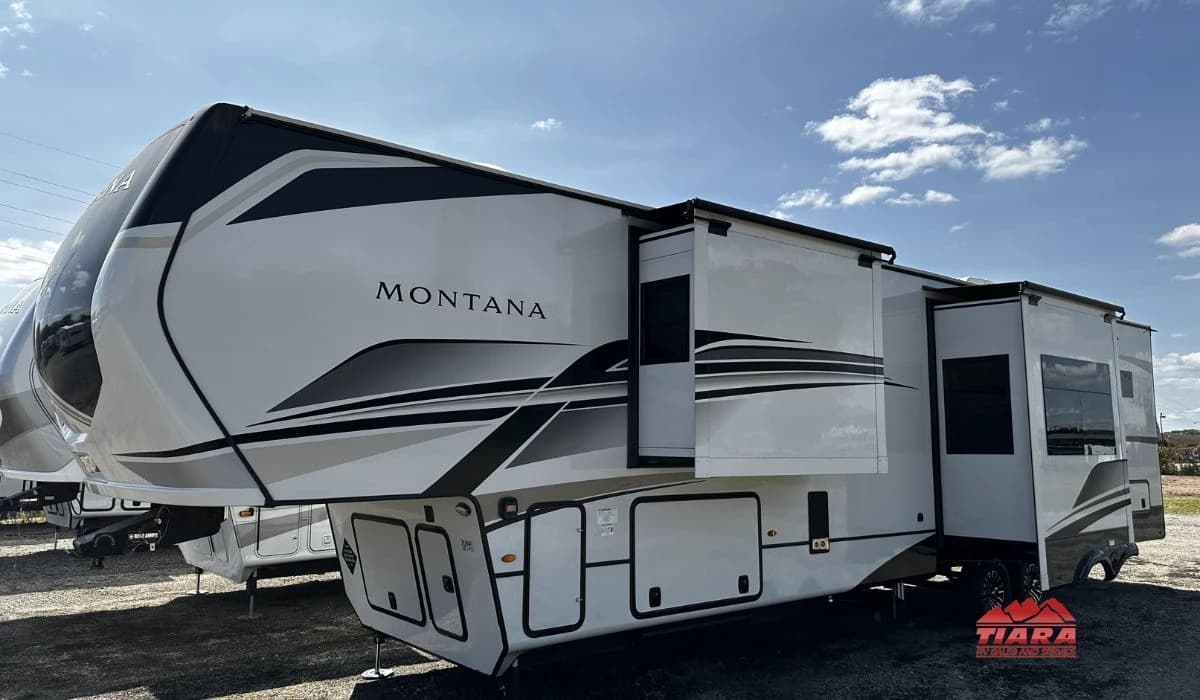
If you have a warranty question or need service on your Keystone unit, our RV service department handles Keystone warranty claims and extended service contract work directly. If you are still in the buying stage and want to understand what coverage comes with a specific unit, our team can walk you through the warranty terms before you purchase. Browse our current new fifth wheel inventory to see what is in stock.
One More Resource: Checking for Open Recalls
Before any service visit or before purchasing a used unit, it is worth checking the NHTSA recall database for any open recalls on your unit's VIN. Recall repairs are performed at no cost to the owner through authorized dealers. It is a quick check that occasionally surfaces a safety issue or a covered repair that the owner did not know existed.
Frequently Asked Questions
How long is the Keystone RV factory warranty?
Keystone's factory warranty separates structural and component coverage, with structural coverage typically running longer than component coverage. Specific durations vary by product line and model year. The full terms are published in Keystone's warranty guide, which is available on their website and should be reviewed before purchase. Your selling dealer can also walk you through the specific terms for the unit you are considering.
Is an extended RV warranty worth buying?
For most owners of modern RVs with residential appliances, slide-out systems, and electronic control panels, an extended service contract offers meaningful protection against high-cost repairs in the years after the factory warranty expires. The value depends on how frequently you use the unit, how long you plan to own it, and what systems the contract specifically covers. Read the exclusions carefully before purchasing any extended contract.
Does an RV warranty cover water damage?
Generally, factory warranties cover water damage caused by a manufacturing defect, such as an improperly sealed seam from the factory. They do not cover water damage that results from owner neglect, such as failing to maintain roof seals or allowing known issues to go unrepaired. Keeping up with routine seal inspections and documenting your maintenance is the best protection against a warranty exclusion in a water damage claim.
Can I get my RV warranty work done at any dealer?
Keystone warranty work must be performed at an authorized Keystone dealer. Using an unauthorized independent shop for repairs may void your warranty coverage on affected systems. If you purchased your unit elsewhere and need warranty service, any authorized Keystone dealer can handle the claim, though processing times and parts availability may vary depending on the dealer's relationship with the manufacturer and their location relative to Keystone's facilities.