
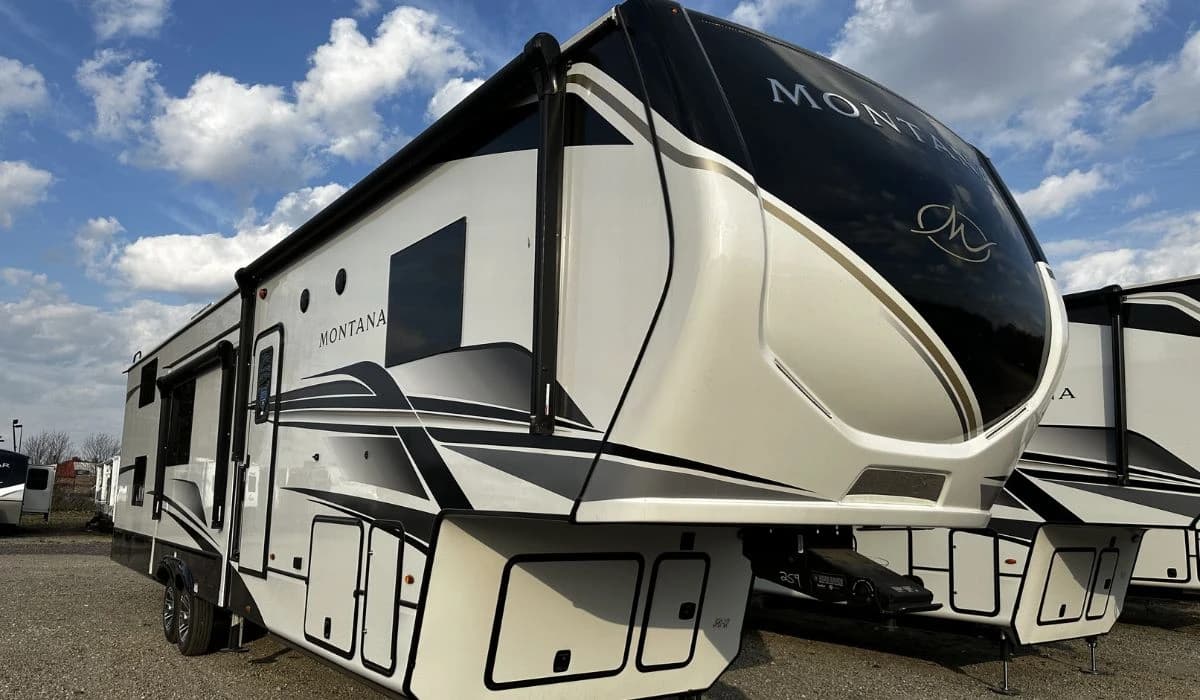
More people than ever are choosing to live full-time in a fifth wheel, and the reasons are easy to understand. Lower overhead, location flexibility, and a simpler lifestyle all make a compelling case. But a unit built for weekend camping and one configured for year-round full-time living are two very different rigs. If you are seriously considering the full-timer lifestyle, the decisions you make before you buy matter far more than most buyers realize. As a dealer of fifth wheel RVs in Elkhart, we work with full-timers regularly, and the gap between a comfortable setup and a frustrating one almost always comes down to a handful of key upgrades and a floorplan chosen for the right reasons.
Building a Fifth Wheel That Works as a Home, Not Just a Campsite
The standard spec sheet tells you square footage, slide count, and kitchen layout. What it does not tell you is how a unit holds up in January in Indiana, whether the electrical system can support real daily use, or whether the floorplan will feel livable after 90 days. Those are the questions full-timers need answered before they sign anything.
Insulation and Four-Season Packages: What They Actually Include
Standard RV insulation is designed to maintain comfortable temps in mild weather. It is not built for sustained cold or extreme heat. If you plan to live in your fifth wheel through a Midwest winter or park in the desert Southwest, a dedicated four-season package is not optional.
Keystone RV builds several of its fifth wheel lines with what they call the Polar Package. Depending on the model, this includes upgraded insulation in the floors, walls, and roof, enclosed and heated underbelly systems to protect tanks and plumbing, dual-pane windows, and insulated slide floors. These features collectively allow the unit to function in temperatures well below freezing without the tank freeze-ups and drafty interiors that plague standard builds in cold climates.
Before you purchase, ask specifically which insulation rating the unit carries. Some manufacturers rate their packages in R-value, others use proprietary names. The key components to verify are heated tank enclosures, insulated slide toppers, and roof insulation depth. A unit without these features can be improved after purchase, but factory-installed systems are more integrated and generally more reliable than aftermarket additions.
As an authorized Keystone RV dealer, we can walk you through exactly which models include the Polar Package and what that means for performance in real-world Indiana winters.
Power Systems: Solar, Generators, and What Full-Timers Actually Need
This is where full-timer builds diverge most sharply from weekend rigs. A couple spending 52 weekends a year at a campground with full hookups has very different power needs than someone living off-grid or moving every few weeks.
Solar setups have become the most requested upgrade among full-timers, and for good reason. A properly sized system with lithium batteries can run lights, fans, a refrigerator, and electronics indefinitely without generator use in areas with consistent sun. A realistic entry-level system for a full-timer runs 400 to 600 watts of roof panels paired with 100 to 200 amp-hours of lithium storage. A more capable off-grid setup may run 1,200 watts or more. The cost difference is significant, but so is the quality-of-life difference when you are not running a generator every evening.
Generator installs are the backup layer. A permanently mounted generator, either propane or diesel, integrated into the unit's electrical system is far more practical than a portable unit for daily living. Factory-prepped generator compartments are available on many fifth wheel models. If the unit you are considering does not have one, factor the installation cost into your budget before you commit.
Washer/dryer prep is a detail that matters enormously in daily life and is easy to overlook on a walk-through. Look for a dedicated washer/dryer closet with a 110V or 220V outlet already roughed in. Combo washer/dryer units are the most practical option for space-constrained fifth wheels. Confirm the unit has both the electrical and ventilation provisions in place before you assume it is ready to install.
Our RV parts department carries solar components, battery systems, and accessories to help you build out your power setup after purchase.
Floorplan Flow: Why Layout Matters More Than Square Footage
This is the most underestimated factor in full-time fifth wheel living, and it is the one that is hardest to reverse after purchase.
Square footage looks good on a spec sheet, but what actually determines comfort over months of full-time living is how the space flows and how it functions during a normal day. A few questions worth asking on every walk-through:
- Can two people move through the kitchen and living area at the same time without constant negotiation?
- Is there a dedicated workspace or desk area if either person works remotely?
- Does the bedroom have enough storage for two people's full wardrobes, not just weekend bags?
- Where does wet gear, shoes, and outdoor equipment land when you come inside?
- Is the bathroom layout functional for daily use, not just occasional showers?
A 42-foot fifth wheel with a poor floorplan will feel smaller and more frustrating than a 36-footer designed with daily living in mind. Bunkhouse models built for families with kids are not the same as couples' floorplans with dedicated office space and larger bathrooms. Be specific about how you will actually use the space every single day.
Spend time on the walk-through mentally running through a normal morning routine: waking up, making coffee, working, cooking dinner, and settling in for the evening. If the traffic flow breaks down anywhere in that sequence, it will break down every day you live there.
Browse our current selection of new fifth wheel RVs to compare floorplans side by side, or view the full new RV inventory if you are still exploring your options.
Frequently Asked Questions
What is the best fifth wheel for full-time living?
There is no single answer, but the best full-time fifth wheels share a few traits: a four-season insulation package, a floorplan with genuine living space rather than just sleeping space, a robust electrical system with solar or generator capability, and washer/dryer provisions. Keystone's higher-end lines with the Polar Package are strong candidates for anyone planning to live in varied climates.
Is full-time fifth wheel living practical in cold climates like Indiana?
Yes, with the right unit. A fifth wheel with a properly insulated underbelly, heated tank enclosures, dual-pane windows, and an adequate heating system can function comfortably through an Indiana winter. Standard-spec units without these features will struggle with frozen tanks and heat loss. The Polar Package and comparable four-season builds from other manufacturers are specifically designed for this use case.
How much solar power does a full-time fifth wheel need?
A functional off-grid or hybrid setup for full-time living typically requires a minimum of 400 watts of solar panels paired with at least 100 amp-hours of lithium battery storage. Serious off-grid users often build to 800 to 1,200 watts or more. Your actual requirement depends on how many appliances you run, your climate, and how frequently you have access to shore power.
Do I need a special truck to tow a full-time fifth wheel?
Almost certainly yes. Full-time fifth wheels tend to be larger, heavier, and loaded with more gear than occasional-use units. Most require a one-ton diesel truck with a proper fifth wheel hitch rated to the unit's loaded pin weight. Always verify the truck's tow rating, payload capacity, and pin weight rating against the actual loaded weight of the unit you plan to tow, not just the dry weight listed on the spec sheet.